What Does Cold Extracted Really Mean in Olive Oil?
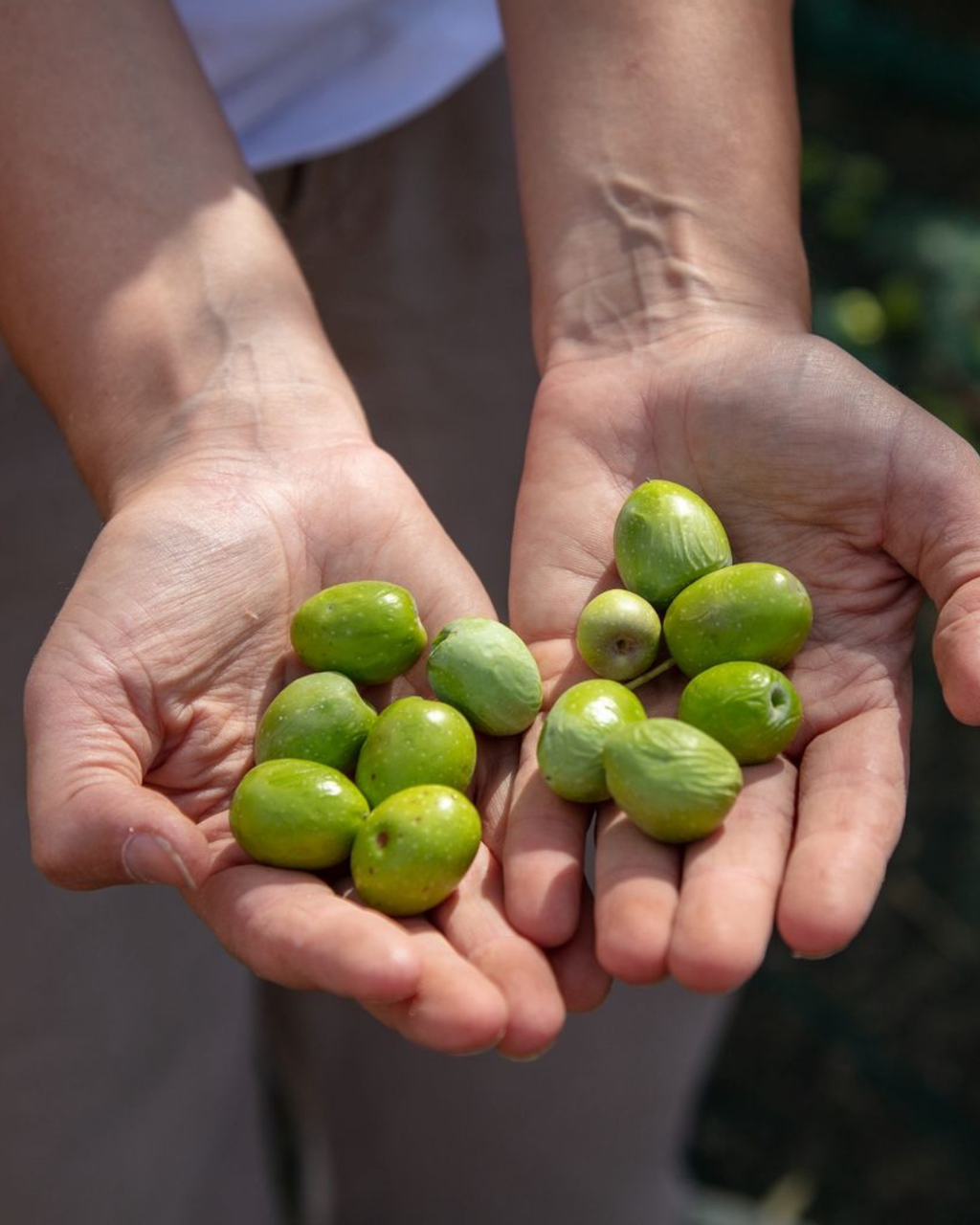
Cold extracted means the olive oil was produced at a temperature below 27 degrees Celsius, using only mechanical methods and no heat. It is one of the most common terms on an olive oil label, and also one of the most misunderstood. You see it everywhere, but very few people know what it actually protects. This guide explains the process clearly, why the temperature threshold exists, and what it means for the oil in your kitchen.
It Is All About Temperature
Cold extraction is defined by a single number. Under European Union marketing rules, the term "cold extraction" may only be used for extra virgin or virgin olive oil obtained at a temperature below 27 degrees Celsius, by percolation or centrifugation of the olive paste. The related term "first cold pressing" applies to oil made below the same temperature using a traditional hydraulic press.
That threshold is not arbitrary. Heat pulls more oil out of the same amount of olives, which is cheaper and faster for the producer, but it comes at a cost to quality. Keeping the process below 27 degrees means no heat, no shortcuts, and no loss of quality. It is a slower process that protects what matters.
What Cold Extraction Actually Protects
Olive oil is, at its heart, fresh fruit juice from olives. The compounds that give a good extra virgin its aroma, flavour, and structure are delicate, and many of them are sensitive to heat.
When olives are processed gently and kept cool, the oil holds on to its natural aroma, its fresh olive flavour, and its true complexity. When the same paste is worked at higher temperatures, those qualities start to fade. The oil may still flow more freely and yield more litres, but it loses part of what made it worth choosing in the first place.
This is why the temperature at the mill is one of the clearest signals of how much a producer prioritised quality over quantity.

What Cold Extraction Helps Retain
Beyond aroma and flavour, extra virgin olive oil naturally contains compounds that are sensitive to heat, and gentle processing helps hold on to more of them.
Two of the most talked about are polyphenols and vitamin E, both naturally present in the olive fruit. Alongside these sit the oil's natural antioxidants. Because these compounds break down when exposed to higher temperatures, keeping extraction below 27 degrees Celsius helps the finished oil retain more of what was in the olives to begin with. This is also part of why cold extracted oils tend to have better stability over time. It is a compositional point about the oil itself, not a claim about what it does for anyone.

Cold Extracted Is a Standard, Not a Slogan
Here is the part that gets lost in marketing. Cold extracted is not just a nice phrase to print on a bottle. Under EU rules, it is a regulated term that can only be used when the oil genuinely met the temperature requirement during production. It describes how the oil was made, not how it was advertised.
It is also worth clearing up a common mix up. Cold extracted and extra virgin are not the same thing. Extra virgin is a quality grade, defined by acidity and a sensory panel. Cold extracted describes the extraction temperature. A real extra virgin olive oil is effectively always cold extracted, but the term itself points specifically to the care taken during processing.
If you want the wider picture of what separates the grades, Nivitaly explains what extra virgin olive oil is and how it differs in its guide on extra virgin versus regular olive oil.
The Result in Your Kitchen
The payoff is straightforward. A properly cold extracted oil is fresher and more vibrant, with real character in every drop. It tastes closer to the fruit it came from, because less of that character was lost on the way to the bottle.
For anyone cooking in the UAE, there is a second reason this matters. Freshness is only preserved if the oil is also handled and stored well after production, and heat is just as much a factor here as it is at the mill. Nivitaly covers this in its guide on how to store olive oil in UAE heat.

Where Nivitaly Stands
At Nivitaly, the focus is on oils that hold this standard from production through to your table. Its producers work with cold extraction as a matter of practice, not marketing. Principe Primo in Sicily, for example, hand harvests its Tonda Iblea olives and cold extracts them on the same day, while Marfuga in Umbria presses its olives within 12 to 24 hours of harvest.
You can read how each oil is selected on Nivitaly's sourcing standards page, or browse the full extra virgin olive oil collection, where the producer, region, and variety are stated for each bottle.
Frequently Asked Questions
What does cold extracted mean in olive oil?
Cold extracted means the olive oil was produced at a temperature below 27 degrees Celsius, using mechanical methods only, with no heat added. Under EU rules, the term can only appear on extra virgin or virgin olive oil made by percolation or centrifugation below that temperature.
Is cold extracted the same as cold pressed?
They are closely related. "Cold pressed" or "first cold pressing" traditionally refers to oil made below 27 degrees using a hydraulic press, while "cold extraction" refers to oil made below 27 degrees by modern centrifugation or percolation. Both describe a process kept below the same temperature.
Is cold extracted the same as extra virgin?
No. Extra virgin is a quality grade based on acidity and a sensory panel, while cold extracted describes the extraction temperature. A genuine extra virgin olive oil is effectively always cold extracted, but the terms describe two different things.
Why does the 27 degree threshold matter?
Above 27 degrees, heat increases oil yield but degrades the delicate aroma and flavour compounds that give extra virgin olive oil its character. Staying below that temperature preserves more of the oil's natural aroma, fresh flavour, and complexity.
Does cold extraction affect the taste of olive oil?
Yes. A properly cold extracted oil tends to taste fresher and more vibrant, closer to the olives it came from, because less of its natural character is lost to heat during production.
What compounds does cold extraction help retain?
Extra virgin olive oil naturally contains polyphenols, vitamin E, and other antioxidants from the olive fruit. These compounds are sensitive to heat, so keeping extraction below 27 degrees Celsius helps the oil retain more of them, and also supports better stability over time.
Save and share this with someone who appreciates real Italian flavours. To explore oils made to this standard, browse Nivitaly's extra virgin olive oil range, available for delivery across the UAE.