The One Change That Makes Your Hummus Unforgettable
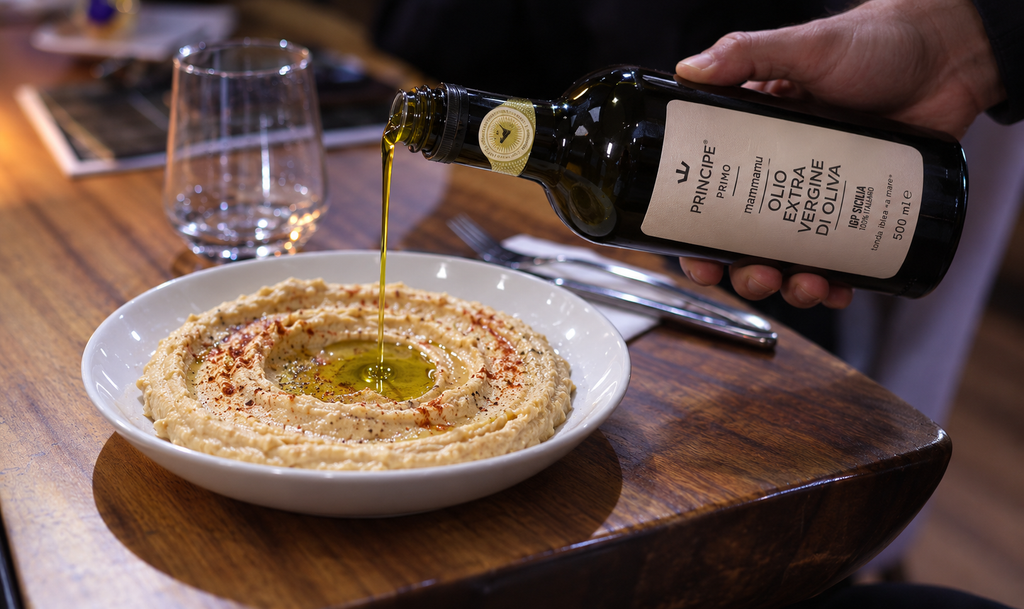
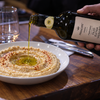
In the UAE, hummus is on almost every menu, which is exactly the problem. When a dish appears everywhere, it stops being a reason to choose one venue over another. The fastest way for a restaurant, cafe, or hotel to make its hummus stand out is not a secret spice or a new machine. It is the extra virgin olive oil poured over the top at the end. Because that oil is tasted raw, its character lands directly on the palate, and switching it is the single easiest upgrade a kitchen can make to a dish it already sells every day.
The Oil Is Tasted, Not Hidden
Most of what goes into hummus is blended smooth: chickpeas, tahini, lemon, garlic. The flavours merge. The finishing oil is different. It sits on top, untouched by heat, and it is the first thing a guest tastes and smells before the spoon even reaches the base.
This is why a generic, flavourless oil is a missed opportunity. It adds richness but no character, so the hummus tastes like every other bowl in the city. A distinctive extra virgin olive oil does the opposite. It brings aroma, a peppery or fruity note, and a finish that a guest actually remembers. On a dish this simple, the oil is not a garnish. It is the signature.
One Base, Many Experiences
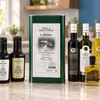
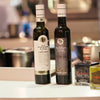
Here is the part most kitchens overlook: the same hummus recipe can deliver completely different experiences depending on the oil finishing it. Nivitaly carries oils with genuinely distinct profiles, which means a kitchen can build a point of difference without changing its base recipe at all.
Consider three directions, each from a named Italian producer.
The Bold, Peppery Finish
Oils built on the Umbrian Moraiolo variety are known for a robust, grassy character with notes of artichoke and almond, a firm bitterness, and a peppery finish. Marfuga in Umbria, whose oils are Moraiolo-led, is a classic example, and the estate itself recommends its oils raw over legumes and chickpeas. Drizzled over hummus, this style cuts through the richness of the tahini and adds a savoury, grown-up edge. It suits a venue that wants its hummus to taste confident and distinctive.
The Fruity, Rounded Finish
A softer, fruit-forward oil takes hummus in a smoother, more aromatic direction. Calaforno in Sicily, organic certified and made from the Tonda Iblea variety, has a fruity, well rounded profile. Finishing hummus with a rounded Sicilian oil adds freshness and a gentle olive fruitiness rather than a sharp bite, which works well for a cafe crowd or a lighter mezze presentation.
The Aromatic, Complex Finish
For a signature dish that starts a conversation, an oil with a pronounced aroma stands out. Principe Primo's Mammanu, from Tonda Iblea olives grown near the sea in Ragusa, shows a fruity, balanced profile with a distinctive green tomato aroma. That aromatic lift over a warm bowl of hummus is the kind of detail a guest notices and mentions.
Offering the same hummus with a choice of finishing oils, or simply choosing the one oil that best fits your brand, turns a standard menu item into something that reflects your kitchen.
Why This Matters Commercially, Not Just on the Plate
For a UAE operator, differentiation is the whole game. Guests dine out more often here than almost anywhere in the world, and a menu that tastes interchangeable with the venue next door struggles to build loyalty. A memorable hummus, driven by a distinctive oil, is a low-cost way to give guests a reason to return and to talk.
There is a storytelling advantage too. A finishing oil from a named Italian estate gives your staff something real to say, and gives your menu a detail worth printing. "Finished with organic Sicilian extra virgin olive oil" reads very differently from an unnamed generic pour. It signals care, and care is what premium guests pay for.
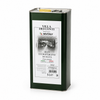
The cost logic works because finishing oil is used in small amounts. A characterful oil used as the final drizzle adds a modest amount per serving while lifting the perceived quality of the whole dish. For everyday preparation and higher-volume needs, a kitchen can still use a practical extra virgin such as Nivitaly's own Villa Dei Conti in the 5 litre tin, and reserve a distinctive oil for the finish where it earns its keep.
Getting the Finish Right
A few practical points help the oil deliver.
- Add it raw, at the end. The finishing oil should never be cooked. Its aroma and character are the whole point, and heat destroys both.
- Be generous but deliberate. A visible, glossy drizzle reads as quality. A mean scrape of flavourless oil does not.
- Match the oil to your brand. A bold peppery oil suits a confident, flavour-led venue. A rounded fruity oil suits a lighter, cafe-style positioning.
- Taste before you commit. Trial the oils on your actual hummus before choosing, since the right match depends on your recipe.
Nivitaly's guide on the best olive oil for salads covers the same raw-finishing logic that applies to hummus and mezze, and its full extra virgin olive oil range shows the profiles available.
How Nivitaly Supports UAE Kitchens
Nivitaly is an Abu Dhabi based Italian food importer that works directly with named Italian producers, which is what makes a genuine choice of distinct oils possible. It confirms origin and traceability, stores heat-sensitive products in controlled conditions, and delivers across the UAE.
For restaurants, cafes, hotels, and caterers, the practical next step is to request samples of a few different oils and taste them on your own hummus, then arrange supply. Pricing and volume terms are handled directly through Nivitaly's wholesale and B2B enquiries, and you can review how each oil is selected on the sourcing standards page.
Frequently Asked Questions
What olive oil is best for finishing hummus?
A distinctive extra virgin olive oil finished raw over the top works best, because the oil is tasted directly. A bold Moraiolo-based oil adds a peppery, savoury edge, while a rounded Sicilian oil adds fruitiness. The right choice depends on the flavour direction your kitchen wants.
Why does the olive oil on hummus matter so much?
Hummus is mostly blended smooth, so the finishing oil is the one element tasted on its own. A generic oil adds richness but no character, while a distinctive extra virgin adds aroma and a memorable finish, which is what sets one venue's hummus apart from another's.
Can one hummus recipe taste different with different oils?
Yes. Because the finishing oil carries so much of the aroma and top-note flavour, the same hummus base can taste bold and peppery with one oil or fruity and rounded with another. This lets a kitchen differentiate without changing its recipe.
Is premium olive oil on hummus worth the cost for a restaurant?
Finishing oil is used in small amounts, so a characterful oil adds only a modest cost per serving while noticeably lifting the dish. For UAE venues competing on a common menu item, that small change is a low-cost way to stand out.
Where can UAE restaurants and cafes buy distinctive finishing olive oil?
Nivitaly supplies a range of distinctive Italian extra virgin olive oils to UAE restaurants, cafes, hotels, and caterers, with samples available to trial before ordering. Terms are arranged directly through its wholesale and B2B enquiries.
To find the oil that makes your hummus unmistakably yours, request samples and discuss supply through Nivitaly's wholesale and B2B enquiries, with delivery across the UAE.